Winter storage of your car – preparation, upkeep and restart
Prepare the car for winter storage, look after it while parked and restart safely when the season changes.
Proper winter storage keeps the car dry, charged and ready for the next season. Focus on thorough preparation, light maintenance and a careful restart to avoid damage.
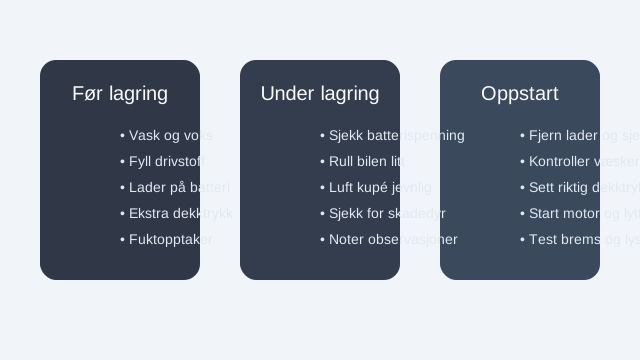
Before you park for the season
| Component | Action | Why |
|---|---|---|
| Bodywork | Wash, dry and wax; apply cavity wax if needed | Prevents corrosion from salt and moisture |
| Fuel | Fill the tank almost full and add stabiliser for long storage | Reduces condensation and fuel breakdown |
| Battery | Check voltage and connect a smart maintainer | Avoids deep discharge; see 12V battery maintenance |
| Tyres | Add 0.3–0.5 bar and note wheel positions | Prevents flat spots; see Tyre storage |
| Interior | Clean, remove food and place a moisture absorber | Keeps odours and mould away |
Do this before you lock up
- Top up all fluids and use winter-grade washer fluid.
- Release the parking brake and use wheel chocks for very long storage.
- Record odometer, service status and due dates in a logbook or digital trip log .
- Take photos of the car for insurance documentation.
During storage
| Interval | Task | Tip |
|---|---|---|
| Monthly | Check battery voltage and charger status | Keep voltage between 12.5 and 12.9 V |
| Monthly | Roll the car a few centimetres back and forth | Spreads load across suspension and tyres |
| Every two months | Air the cabin and luggage area | Refer to Climate control and cabin air for filter care |
| As needed | Inspect for rodent activity and leaks | Remove attractants and seal entry points |
Restart after winter storage
- Disconnect the charger and check battery terminals for corrosion.
- Inspect oil, coolant, brake fluid and washer fluid levels.
- Reset tyre pressures and rotate the wheels if you swapped positions.
- Start the engine with HVAC off and listen for unusual noises.
- Test brakes, lights and driver aids before entering traffic.
Checklist for the first drive
- Take a short drive to exercise ABS, ESP and drivetrain components.
- Charge the battery gently with calm driving for the first kilometres.
- Update your service plan with the storage period.
- Book an appointment if the car needs an upcoming Periodic roadworthiness test .