Winter readiness in the car – gear you should bring
A checklist of winter gear and readiness for safe winter driving.
Norwegian winters can turn in minutes. What started as an easy trip can end in a queue behind a crash, a cold engine, or a car stuck in blowing snow. Good winter readiness in the car is about carrying the right gear so you can both continue safely and stay warm if you get stuck. This article gives you a concrete checklist and explains why each item belongs in the car during winter.
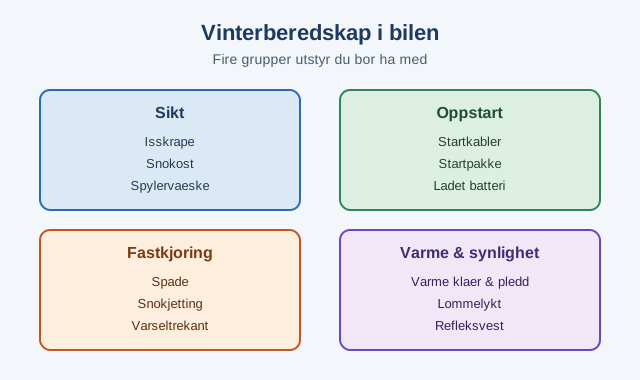
Table of contents
- Why winter readiness matters
- Checklist: what you should bring
- Gear for visibility and starting
- If you get stuck
- Personal warmth and visibility
- Check the car before you drive
Why winter readiness matters
In winter the risk of delays and getting stuck increases. Slippery roads mean slow traffic, convoy driving and closed mountain passes. A weak battery can fail in the cold, and the temperature in a car without engine heat drops quickly. Readiness is not about fearing the worst, but about having a plan so an unexpected stop becomes a discomfort and not a dangerous situation.
Especially in the mountains and on longer stretches, you should expect that you might be stuck for a while. Then the difference between a cold hand and dangerous chilling is whether you brought the right gear. Read more about how queues are handled safely in the article on convoy driving in the mountains .
Checklist: what you should bring
The table below summarises the gear by which situation it covers. Much of this is useful all year, but becomes critical in winter.
| Gear | Why you need it |
|---|---|
| Ice scraper and snow brush | Clear ice and snow from windows and lights before driving |
| Jump cables or jump pack | Help a weak battery that will not start |
| Shovel | Dig the car free when stuck in snow |
| Warm clothes, hat and mittens | Stay warm if you have to wait or walk |
| Blanket or textile | Extra warmth when the engine is off |
| Flashlight or headlamp | Light on dark winter mornings and evenings |
| Reflective vest and warning triangle | Visibility when stopping in the roadway |
| Some food and water | Energy and fluid during longer waits |
| Snow chains (in the mountains) | Better grip on steep and slippery terrain |
Gear for visibility and starting
You are required to have clear visibility and to drive with clean windows and lights. A good ice scraper and snow brush are therefore the very first things you put in the car. Snow on the roof that blows onto your windscreen or the car behind is both dangerous and illegal. Read how to do it thoroughly in the article on scraping and removing snow .
Cold wears on the battery. A battery that was a little weak in autumn may refuse to start when the temperature dips below zero. So bring jump cables or a portable jump pack, and learn the correct connection order. You will find more on this in the articles on a weak car battery in winter and starting and driving on ice .
If you get stuck
If you get stuck in snow or in a long queue, a few simple rules apply:
- Stay calm and remain in the car unless you have a safe reason to step out.
- Keep the engine mostly off to save fuel, but run it in short intervals to stay warm. Make sure the exhaust pipe is not blocked by snow, so fumes do not enter the cabin.
- Use a shovel to dig the wheels free and clear air around the exhaust pipe.
- Dress for the conditions with a hat, mittens and a blanket.
- Make yourself visible with a reflective vest and warning triangle if you are in or near the roadway.
In the mountains, snow chains can be the difference between continuing and being stuck. Learn fitting in advance in the article on fitting and using snow chains . Also carry general emergency gear in the car all year round.
Personal warmth and visibility
It is easy to forget that you yourself are the most important part of the readiness. A thin jacket is not enough if you have to wait an hour in frost. So pack a small bag with:
- A warm hat and mittens
- An extra sweater or down jacket
- A blanket or sleeping bag
- Dry socks
- A flashlight with spare batteries
If you have an electric car, you should plan the range extra carefully when it is cold, since cold and heating drain the battery. Read more in the article on electric cars, winter range and heat pumps .
Check the car before you drive
Good readiness begins before you turn onto the road. Make sure you have proper winter tyres with enough tread depth, washer fluid that tolerates frost, and working wipers. Consider the need for studded or studless winter tyres based on where and how you drive. On longer trips it is also wise to check the weather and road reports before departure.
Winter readiness and an understanding of slippery roads are a central part of the class B theory. If you want to test what you know before the theory test, you can take a free theory test and keep practising in the Eteo app until you are confident and ready.
Next step
Continue with free car questions
Go straight from the article to free car questions and check what actually sticks before you keep reading more theory.
Try for free