Handling Emergencies
Learn how to respond to common road emergencies, including mechanical failures, accidents, and other critical incidents to drive safely.
Handling emergencies on the road is about reacting quickly and effectively to mechanical problems, accidents, and other critical incidents to ensure traffic safety and reduce risk. Be prepared for unexpected situations and know how to protect yourself, your passengers, and other road users.
Common emergencies on the road
- Mechanical issues like engine failure, punctures, or brake problems
- Weather-related hazards like fog, heavy rain, or snowstorms
- Collisions, run-offs, or incidents with animals or vulnerable road users
- Vehicle fires after a crash or technical fault - see Car fires and evacuation
For challenging conditions, see Driving in difficult conditions .
First priorities
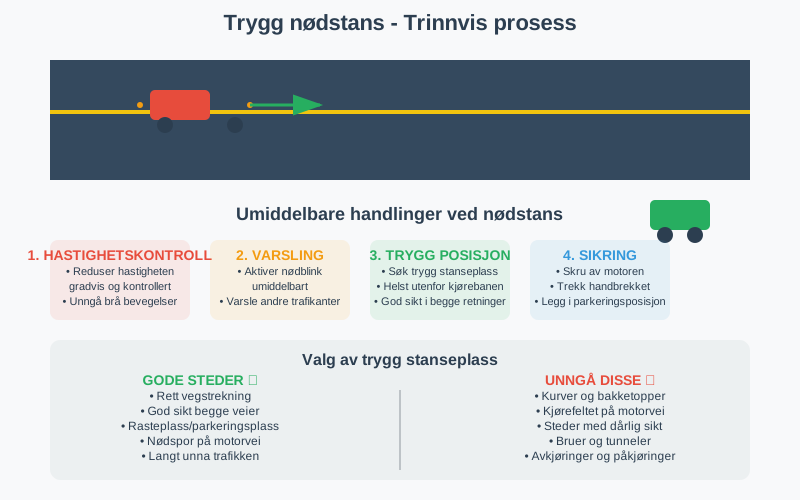
- Stop safely and use hazard lights
- Wear a reflective vest before exiting
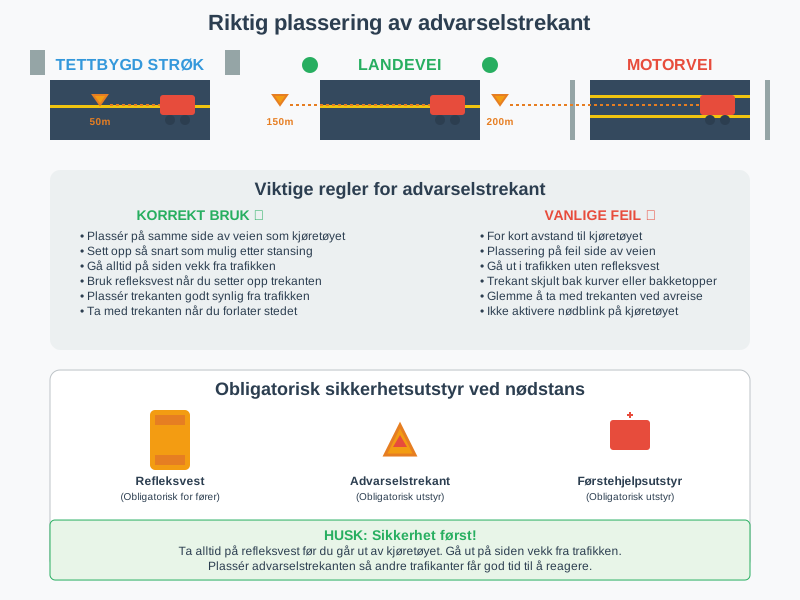
- Place a warning triangle at a safe distance behind the car
See also: Hazard lights and warning triangle .

Example illustrations
- Safe emergency stop:
- Warning triangle placement:
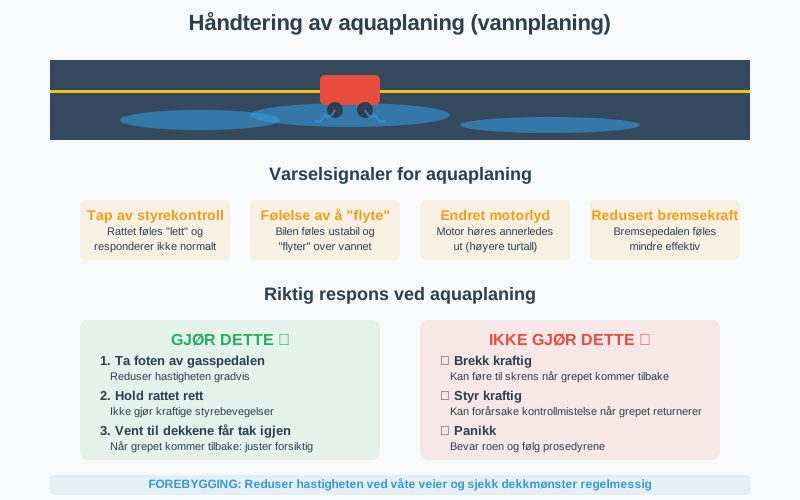
- Handling aquaplaning:
Next step
Continue with free car theory questions
Go straight from the article to free car theory questions and check what actually sticks before you keep reading more theory.
Try for free