Risk assessment in practice
Identify hazards, assess likelihood and consequence, and reduce risk in traffic.
Good drivers assess risk continuously. Use this simple process before and during every drive.
The process
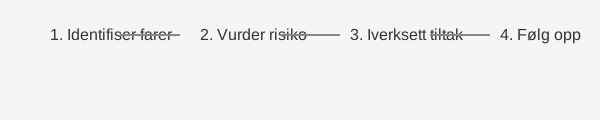
- Identify hazards: weather, road, traffic, your condition
- Assess likelihood and consequence
- Choose measures: speed, position, communication, cancel/postpone
Practical checklist

- Fit to drive? rested, sober, focused
- Vehicle ok? tyres, lights, windows
- Conditions? visibility, surface, wind
- Route plan? alternatives, time margin
Dynamic follow-up while driving
| Trigger | What you notice | How to respond |
|---|---|---|
| Weather changes | Rain, fog or sun glare | Lower speed and use the correct lights, see Driving in the dark |
| Dense traffic | Queues, unpredictable lane changes | Increase safety margins and plan positioning, see Positioning and driving style |
| Driver condition | Fatigue, stress or distraction | Take a break, activate driver aids or end the trip, see Fitness to drive |
Review and adjust
Risk assessment continues throughout the trip. After each measure you should:
- Check whether the risk is actually reduced
- Update the plan with new information (radio, traffic alerts)
- Log lessons learned, especially during accompanied driving
- Discuss observations with your instructor or supervisor to strengthen reflection
Related articles
Next step
Continue with free car theory questions
Go straight from the article to free car theory questions and check what actually sticks before you keep reading more theory.
Try for free